
05 Eli, the Rap Psalms
Eli, the Pilgrim — The Rap Psalms
One traveller. One road. Ancient Psalms for modern hearts.
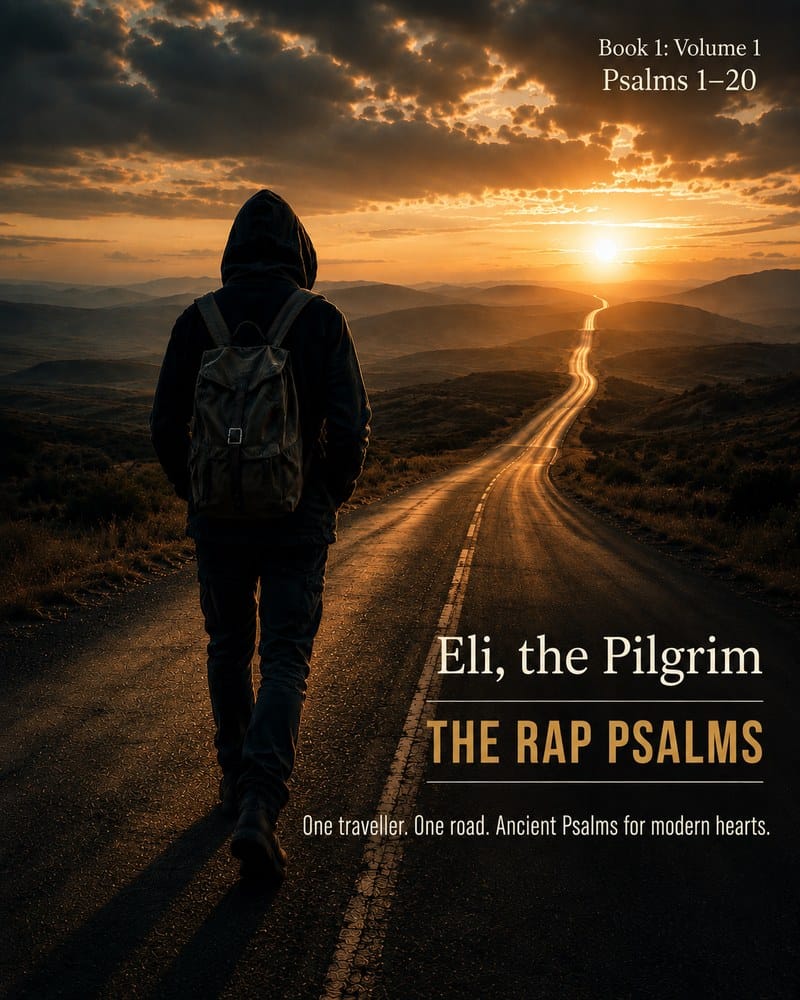
The Rap Psalms
Ancient Psalms.
Modern hearts.
The Psalms were written to be prayed, sung, cried, celebrated, questioned and remembered.
The Rap Psalms bring those ancient words into contemporary rap and spoken-word form, seeking to preserve something of the meaning, movement and emotional force of each Psalm.
They are not intended to replace Scripture. They are an invitation to hear the Psalms afresh — and then to return to the Psalms themselves.
Book 1: Volume 1 • Psalms 1–20 • Available 13 November 2026
Watch & Listen
Watch Psalm 8 — “How Majestic Is Your Name”
Experience Psalm 8 in contemporary rap and spoken-word form — then return to the biblical Psalm and hear its wonder afresh.
Psalm 8 from The Rap Psalms — Book 1, Volume 1.
Why The Rap Psalms?
Not a replacement. An invitation.
The Psalms already speak with extraordinary range. They praise, protest, confess, question, lament, celebrate, remember and hope. They give words to faith when faith is joyful, and words to faith when faith is struggling.
But ancient poetry can sometimes feel distant when it is encountered only as words on a page. The Rap Psalms are an attempt to help listeners hear something of the movement, urgency and emotion that is already there.
The aim is not to rewrite the Bible into something more fashionable. It is to create a contemporary doorway back into the Psalms — allowing their questions, convictions, cries and praises to be heard with fresh ears.
Hear the Psalm
Rhythm, repetition and spoken delivery can help bring forward the movement and emotional shape of the original Psalm.
Feel its movement
Some Psalms rejoice. Some ache. Some argue. Some wait. The music allows those changes of mood and emphasis to be experienced as well as read.
Return to Scripture
The destination is not the Rap Psalm itself. The hope is that listeners will return to the biblical Psalm with renewed attention and curiosity.
The Psalms have rhythm, repetition, tension, memory and movement already built into them.
Why Rap?
Because the Psalms already move.
Rap and spoken word make particular use of rhythm, repetition, emphasis and verbal movement. Those qualities make them a natural contemporary form through which to explore poetry that was itself written to be heard, remembered and used in worship.
The musical style can change from Psalm to Psalm because the Psalms themselves change. Celebration should not sound like lament. Confidence should not sound like fear. Quiet reflection should not sound like battle.
The form serves the Psalm — not the other way round.
Meet Eli, the Pilgrim
One traveller. One road.
Eli, the Pilgrim is the voice and identity of The Rap Psalms project — a traveller moving through the changing landscape of the Psalms.
Sometimes the road is clear. Sometimes it is dark. There are moments of confidence, doubt, gratitude, anger, confession, wonder and praise.
That changing journey reflects something important about the Psalms themselves: they do not present faith as emotionally flat. They give believers language for the whole pilgrimage.
First Release
Book 1: Volume 1
Psalms 1–20
The first collection follows the opening twenty Psalms — from the two ways of Psalm 1, through worship, lament, confidence, danger, deliverance and praise.
Volume 1
Available 13 November 2026
Listening and streaming links will be added as the release becomes available.
Listen
Hear the Psalms in a different way.
Listening links will be added here as the first volume becomes available. The Rap Psalms will also be supported by selected lyric and listening videos.
Listen
Streaming links for Book 1: Volume 1 will appear here.
Coming SoonWatch
Selected Rap Psalms will also be available in lyric and listening-video form.
Coming SoonReturn to the Psalm
Listen to the Rap Psalm — then go back and read the biblical Psalm for yourself.
Scripture FirstThe Journey Continues
Twenty Psalms are only the beginning.
The aim of The Rap Psalms is to continue the journey through the Psalter, bringing further groups of Psalms into contemporary rap and spoken-word form.
Book 1: Volume 1 begins with Psalms 1–20. More will follow.
From Plain & Simple Press
Explore the books.
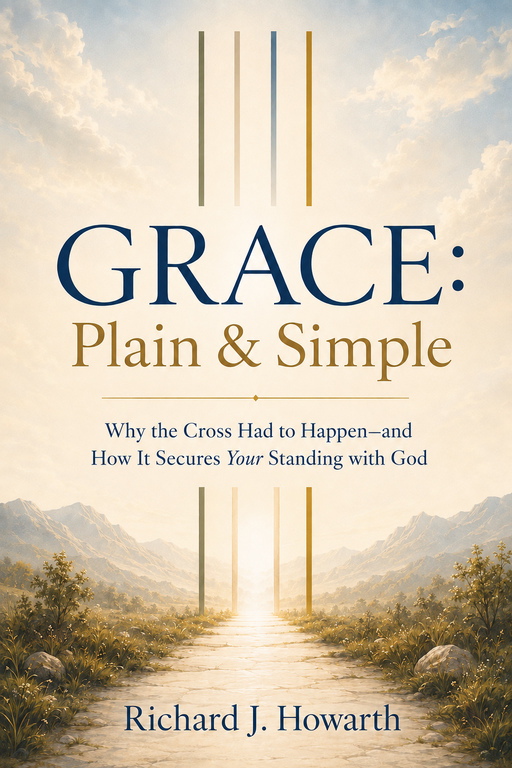
GRACE: Plain & Simple
Why the Cross had to happen — and how it secures your standing with God.
Explore GRACE →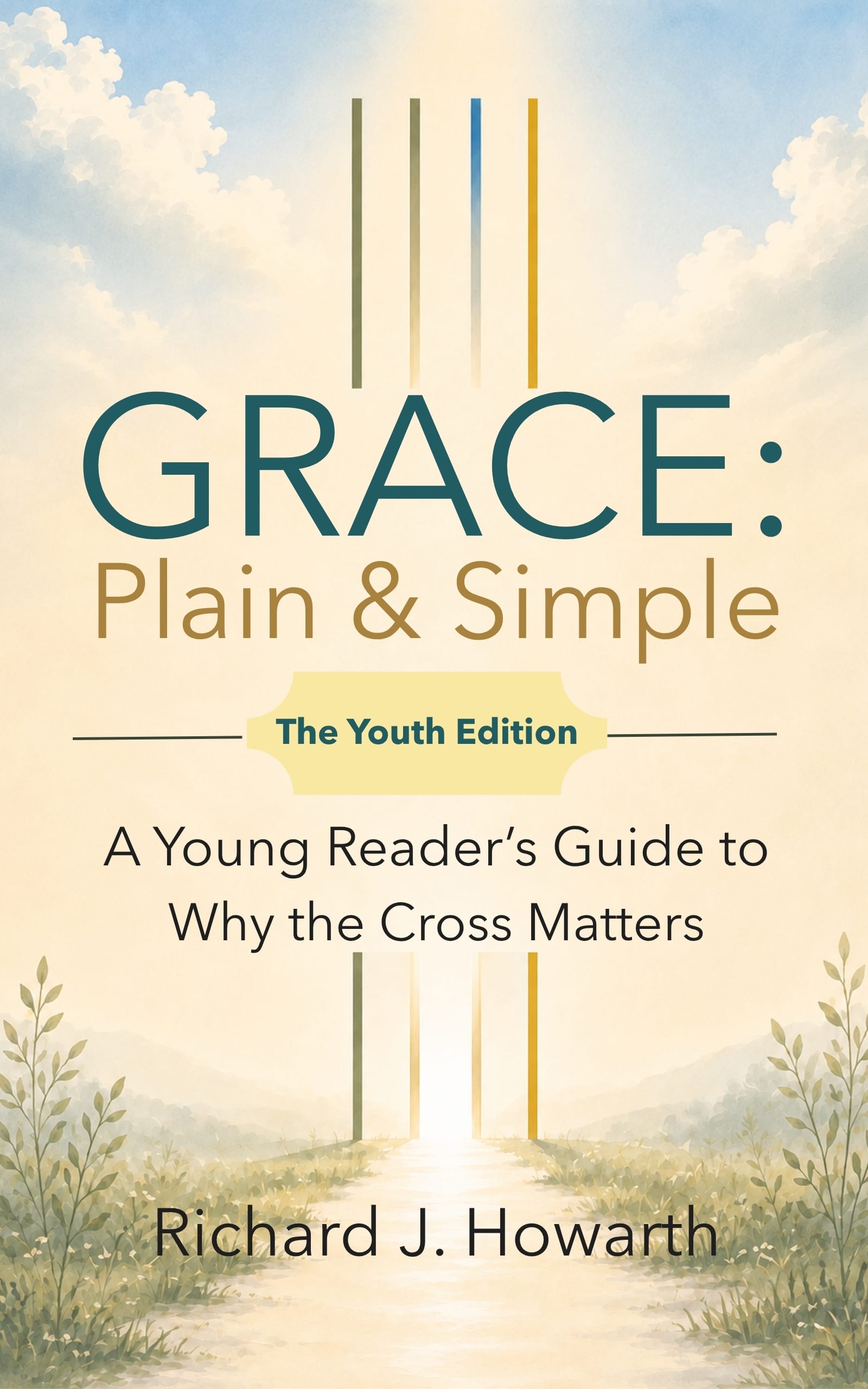
GRACE: Plain & Simple — Youth Edition
Grace, clearly explained for younger readers, especially ages 11–15.
Explore the Youth Edition →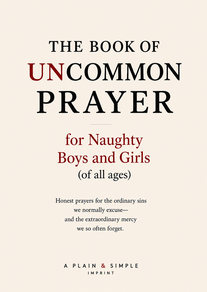
The Book of Uncommon Prayer
For Naughty Boys and Girls (of all ages). Honest prayers for the ordinary sins we usually excuse.
Explore Uncommon Prayer →